

Daddy Issues. Gay men throw this expression around casually. You’ll see it on TikTok, hear it in passing jokes and it’s used to shame those who are attracted to older partners. But what does it actually mean? And more importantly, is it helpful or harmful?
Not all daddy issues are about trauma. And not all intergenerational desire is unhealthy. This post explores shame, stigma, and healing in intergenerational adult gay men’s relationships and the wounds of a missing father figure.
Let’s unpack it.
A Stigmatising Shortcut
“Daddy issues” is not a clinical term. It’s a label born from pop psychology and steeped in stigma, often used to reduce complex emotional experiences down to something gossipy or embarrassing. For gay men it can carry an added weight, linked to stereotypes, internalised homophobia, and heteronormative expectations.
When we peel back the layers, we find two distinct threads that lumped together under this term:
- One has to do with attachment wounds, the legacy of an absent, neglectful, or abusive father figure.
- The other concerns the stigma around intergenerational attraction or relationships between adult men, especially when a younger man loves or desires an older man.
Let’s take a closer look at both.
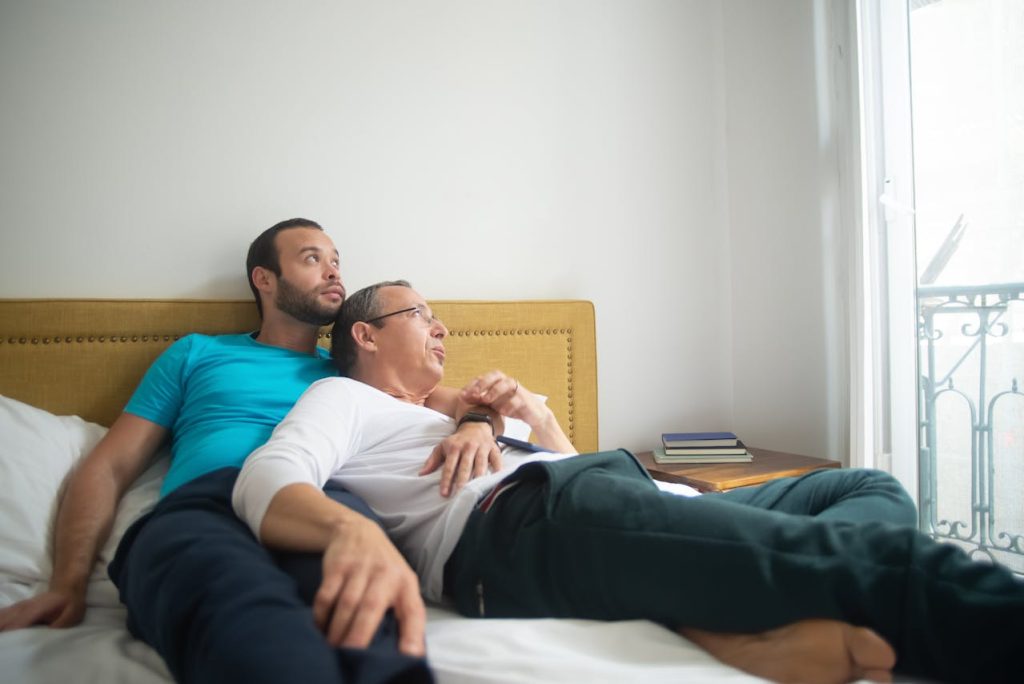
Daddy Issues as Attachment Wounds and Relational Trauma
For some men, struggles with trust, emotional intimacy, or fear of abandonment trace back to childhood. They might have grown up with a father who was emotionally unavailable, inconsistent, overly critical, or simply absent due to work, addiction, or separation.
These early relational ruptures can shape how we approach love and connection. They may leave behind patterns of:
- Anxious attachment: feeling clingy, fearful, or constantly needing reassurance;
- Avoidance: pushing people away before they can hurt you;
- Confusion about masculinity, especially if your own identity didn’t align with the ideals your father embodied or enforced.
Some gay men talk about trying to feel “more masculine,” only to feel trapped in self-hatred or shame. I often encourage a shift in perspective, from performing masculinity to embracing what it means to be more human, even more humane.
Compassion isn’t gendered. It’s a human strength.
And while it’s true that attachment injuries can affect our adult relationships, it doesn’t mean you’re broken or not good enough. Therapy can help you bring these patterns into awareness, making room for healing and connection, without pathologising your humanity.
Daddy Issues as the Stigma and the Shaming of Intergenerational Desire
Then there’s the second kind of Daddy Issue: the shame some gay men feel for simply being attracted to older partners. This isn’t about trauma. It’s about preference and the way our culture often shames that preference.
Some men feel drawn to older lovers because they find them grounded, confident, or emotionally safe. Maybe they admire their life experience. Maybe their erotic preferences include age difference. And sometimes it just feels right.
But too often, these age-difference relationships, like open relationships, are viewed through a lens of suspicion or moral panic. Social media promotes an idea of ‘age-appropriate’ love as the only valid kind. Intergenerational desire is immediately framed as ‘exploitative’ without knowing anything about the people involved.
These are heteronormative assumptions. They erase the complexity, nuance, and beauty of queer lives.
The truth is that variation and diversity are natural. Just as we have diverse bodies, we have diverse attractions. That doesn’t make them pathological. What matters is consent, mutuality, and respect, not the birth year on your ID.
Ask a question or find out more

Where the Shame of Daddy Issues Comes From
Whether it’s about attachment or attraction, many men feel embarrassed by their so-called daddy issues. They worry something is wrong with them. They ask if they’re trying to replace a missing father. They fear judgment from others, especially in a culture that still struggles to understand queer relationships outside narrow boxes.
But here’s the thing:
- Your attraction to older men doesn’t make you gay or flawed.
- Your longing for connection doesn’t mean you’re weak.
- Your wounds, if you have them, don’t mean you’re broken.
We live in an unusual time in human history. In places like Australia, we’re privileged to live alone, financially independent, with more autonomy than ever. And yet, we’re told it’s a problem if we yearn for company. As if loneliness isn’t part of the human condition!
But of course it is. We’re social beings. Craving warmth, support, or guidance isn’t weakness, it’s biology.
Many gay men, especially those without affirming father figures growing up, miss their father’s support. That longing might show up in ways that feel confusing. But when held with compassion, it becomes a source of strength, not shame.
The Role of Forward Therapy
I started developing Forward Therapy over 17 years ago to offer something different: a way of working that doesn’t diagnose or reduce you to a disorder. I use a dialogical and narrative approach where we co-construct meaning instead of a therapist imposing it. Together we explore what your experiences might mean, and how relationships, culture and time have shaped your understanding of your self.
The work I do with clients at Forward Therapy is awareness-based. We don’t force you to fit a model. We explore how your story fits you.
Whether you’re untangling early attachment wounds or deconstructing the shame around your desires, therapy can help you:
- Understand yourself more deeply;
- Feel more secure in your identity;
- Reclaim a positive, authentic relationship with yourself;
- Let go of binary ideas like “healthy vs unhealthy” or “good vs bad” when they don’t serve you.
The Joy of Gay Age-Difference Relationships
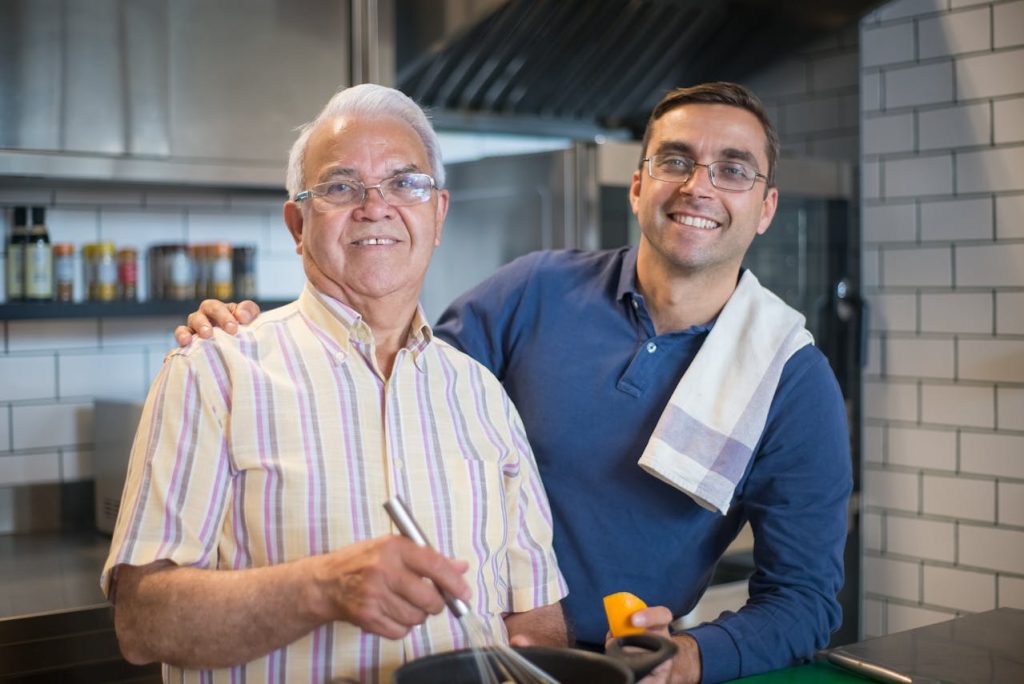
Not all daddy issues are about trauma. And not all intergenerational relationships are about pathology. Some are about pain, yes. But others are about preference, connection, or joy.
Gay men have long been at the forefront of creating respectful and fair relationships that challenge convention. Just because it’s not mainstream doesn’t mean it’s unethical.
If you’re struggling with shame, confusion, or anxiety about your patterns in love or attraction, know that you don’t have to carry it alone. Therapy can be a space of healing, deconstruction, and affirmation. It’s a place to reconnect with your inner child, rebuild trust, and move forward with compassion.
Ready to talk?
Let’s work together to understand where your story has come from and where it might go next.
Book a session today and take that step toward clarity, confidence, and connection.