

Many gay men grow up believing they must look after themselves on their own. We learn to self-manage, to minimise our needs, and to keep parts of ourselves hidden from doctors who might not understand. For some of us, this leads to a habit of moving between GP practices whenever something feels uncomfortable. But a GP for gay men can make a profound difference to how mental health, sexuality, relationships and wellbeing are understood and supported across a lifetime.
It might feel easier to speak to a stranger about a sensitive topic and then never see them again. Yet over time, this pattern often fragments care and leaves important parts of the story untold.
As we age, and as the stressors of gay life become more complex, one of the most important acts of care we can take is choosing a GP for gay men. Someone who knows our story, understands our world, and can be there in times of crisis or as our health needs change.
In my work as a therapist with gay, queer and bisexual men, I am witness to the deep overlap of physical and emotional health. Shame often silences us. Loneliness, grief and attachment injuries frequently appear first as physical symptoms. And I see the difference it makes when a GP becomes part of the ongoing picture rather than a one-off encounter.
Make contact to find out more about appointments

Why Choose a GP for Gay Men as your Regular Doctor
A GP for gay men will understand that health does not exist in isolation from culture, identity or relationships. Yes, sexual health matters. HIV and STI testing, PrEP, PEP and Doxy-PEP are essential parts of care for many gay men. But these conversations sit within a much broader context. A GP who understands gay men’s lives is more likely to ask about:
- Anxiety and panic;
- Sleep and exhaustion;
- Shame around sexuality;
- Relationships and breakups;
- Substance use and chemsex;
- Changes in libido or erections;
- Social isolation and loneliness.
These are not side issues: they are central to wellbeing. When care is fragmented across multiple practices, these patterns are easy to miss. When you choose a GP for gay men as your regular doctor, connections begin to emerge.
Mental Health Often Shows Up as Physical Symptoms
One of the most important reasons to choose a GP for gay men is that psychological distress in gay men often presents through the body. I see this repeatedly in my clinical work.
Loneliness may show up as loss of libido. Anxious attachment may appear as chest tightness, gut problems or erectile difficulties. Social isolation can look like depression. Trauma responses can resemble ADHD.
A GP who knows you is better placed to notice when symptoms cluster around life events such as breakups, rejection, grief or prolonged stress. They are also well positioned to avoid unnecessary investigations and over-medicalisation when the body is carrying emotional pain.
This is where collaboration matters. A GP can assess physical contributors while also referring you to a mental health social worker, psychologist or occupational therapist who can spend time exploring the psychological and relational layers.
If your physical symptoms may be connected to stress, relationships or trauma, you are welcome to book a session with me to explore this more deeply.
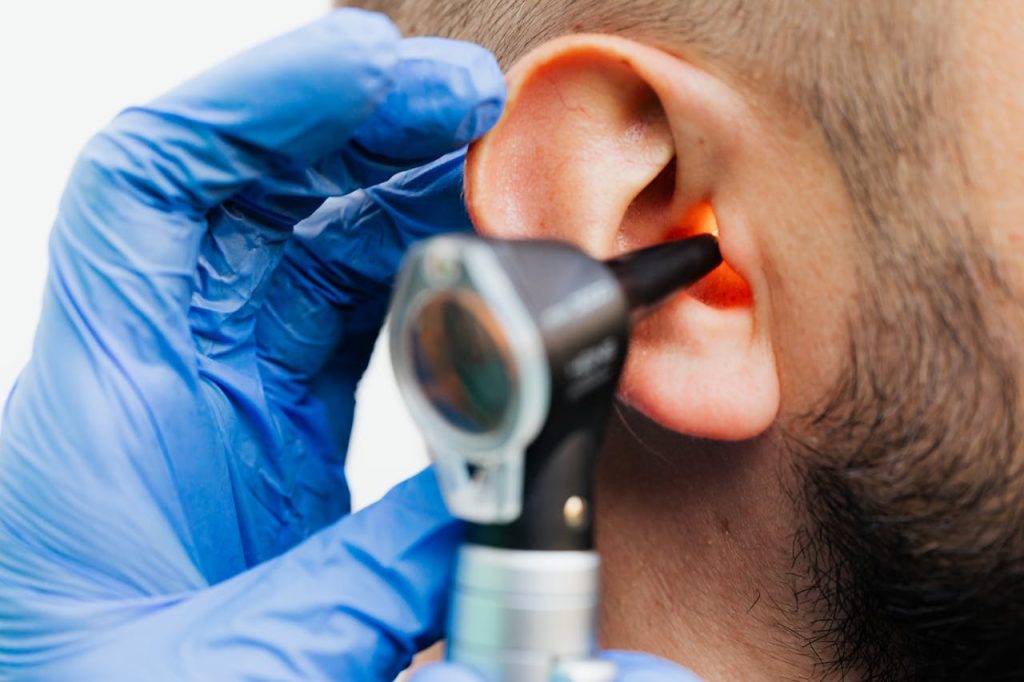
The Role of a GP for Gay Men in Mental Health Care
Under Medicare’s Better Access program, a Mental Health Treatment Plan is still required to access subsidised therapy. What has changed is who can prepare that plan. From November 2025, Mental Health Treatment Plans and referrals must be completed by:
- Your usual GP, or
- The GP at the practice where you are registered under MyMedicare.
This means continuity of care is now essential. Seeing a different GP each time may leave you unable to access Medicare-rebated mental health support. A GP for gay men who knows you can:
- Coordinate care across physical and mental health;
- Prepare and review your Mental Health Treatment Plan;
- Refer you easily to a provider of focused psychological strategies;
- Recognise when anxiety, ADHD-like symptoms or low mood are linked to trauma or relationships.
Importantly, you always retain choice. Even if a referral names a specific provider, you are free to choose your own therapist, whether that is a clinical psychologist, occupational therapist or mental health social worker.
If you are unsure how Mental Health Treatment Plans work or need help navigating referrals, you can contact me for guidance.
Sexual Health, Shame and Trust Over Time
Many gay men delay care because of shame. A GP for gay men provides a space where you can speak openly about:
- Dating apps like Grindr, Scruff, Sniffies and hookup culture;
- Erectile difficulties or loss of desire;
- Open relationships or monogamy;
- The impact of religious trauma;
- Chemsex and its aftermath;
- Sex work or OnlyFans;
- Sex on site venues;
- Porn use.
Trust develops over time. A regular GP is more likely to understand your values, your patterns and your vulnerabilities. This trust makes it easier to seek help early rather than waiting until distress escalates or a crisis occurs.
In his book Out of the Shadows, Walt Odets writes that gay men need care which recognises the specific pressures and injuries of our lives, and that healing often begins when we are no longer facing those pressures alone. A GP who understands gay men’s health can be part of that support.
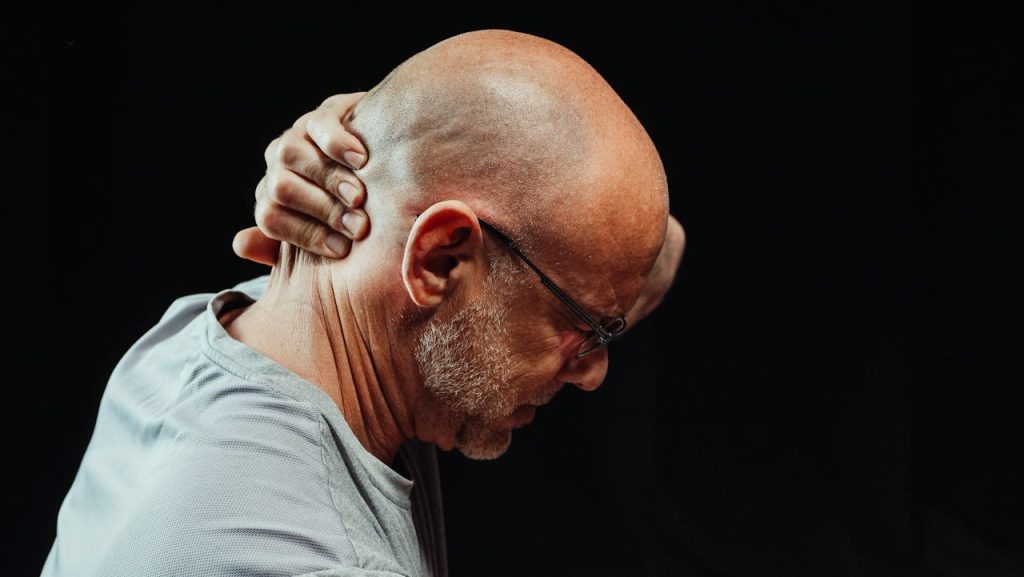
Alcohol, Substances and the Aftermath of Chemsex
Substance use is another area where continuity of healthcare matters. A GP for gay men is more likely to understand the realities of chemsex, including:
- Delayed anxiety and panic;
- Shame and secrecy;
- Sexual shutdown;
- Sleep disruption;
- Mood crashes
- Cognitive fog.
These effects often appear weeks or months after use has stopped. Without a GP who knows your history, they are easily misdiagnosed as primary anxiety or depression.
A regular GP can help monitor physical health, reduce harm, and refer appropriately for psychological support when needed.
Gut Issues, IBS and the Nervous System
Gut symptoms are one of the most common reasons gay men present to GPs. IBS, reflux and diarrhoea are frequently linked with:
- Anxiety;
- Stimulant use;
- Chronic stress;
- Hypervigilance;
- Unprocessed emotional strain.
A GP for gay men is more likely to consider these links rather than treating gut symptoms in isolation. This reduces unnecessary investigations and supports a more integrated approach to wellbeing.
Ageing, Libido and Identity
As gay men age, health concerns often intersect with identity. Changes in libido, erections or energy are not always purely hormonal. They are often shaped by:
- Grief about ageing;
- Body-based shame;
- Feeling ‘not good enough‘;
- Loss of erotic visibility;
- Relationship history;
- Cumulative stress.
A GP for gay men can hold these conversations without minimising them or rushing to purely biomedical explanations. This creates space for more nuanced care and appropriate referral.
If ageing, desire or identity changes are affecting your mental health, you are welcome to book an appointment with me.
Why Over-Medicalisation Happens Without Continuity
When care is fragmented, symptoms are often treated in isolation. This can lead to:
- Repeated sexual health and HIV testing;
- Medication without context;
- Missed trauma histories;
- Unnecessary imaging;
- Untreated loneliness.
A GP for gay men who sees you over time is better placed to distinguish between what is medical, what is psychological, and what sits in the space between.

Finding a GP for Gay Men
Not every gay man has access to a GP who feels safe or affirming. This is especially true for men living outside major cities or those with previous negative experiences of healthcare.
If you do not currently have a GP for gay men, I can suggest gay-friendly doctors and practices where care is respectful, informed and inclusive. Choosing a regular GP is not about restriction. It is about support, continuity and being known.
Your mental health does not exist separately from your body, your relationships or your sexuality. A GP for gay men can play a crucial role in supporting all of these aspects of your life. You deserve care that understands your context, a doctor who knows your story and support that responds to you holistically.
If you would like help finding a GP, navigating referrals, or exploring how physical symptoms may be connected to emotional experiences, you are welcome to get in touch.