

Open relationships. Polyamory. Ethical non-monogamy. These are the gay relationship buzzwords of our time. For long-term gay couples, the spark of erotic energy often fades after around five, six, or seven years. This isn’t a sign of failure. It’s a reflection of a deeper transformation. What starts as sexual chemistry often evolves into comfort, care, and the emotional security of a chosen family. Many of the men I work with in therapy describe their partner as more of a companion (or even a ‘brother’) than a lover. Some have found themselves in a sexless relationship. They don’t want to lose that bond. But they do want to feel sexually alive again.
If this sounds familiar, you’re not alone. The desire for erotic renewal is common among gay men in long-term relationships. What’s less common is talking about it. That’s where my work often begins.
Sex After the Honeymoon: You’re Not the Only One
Many gay couples experience a decline in sexual activity over time. It’s more typical than you might think. As a gay counsellor, I regularly meet with men in long-term relationships who are confused, frustrated, or even ashamed about the lack of sex. They might describe being emotionally close but sexually distant or speak of being in a sexless relationship. They often believe they’re the only ones dealing with this. They’re not.
Studies back this up. Research from the Kirby Institute in 2015 showed that only around 25% of gay male couples in Australia describe themselves as strictly monogamous. Open relationships and non-monogamous agreements are the norm, not the exception. And recent data suggests this trend is even more pronounced today, especially in cities like Sydney, Melbourne, Brisbane, and Perth.
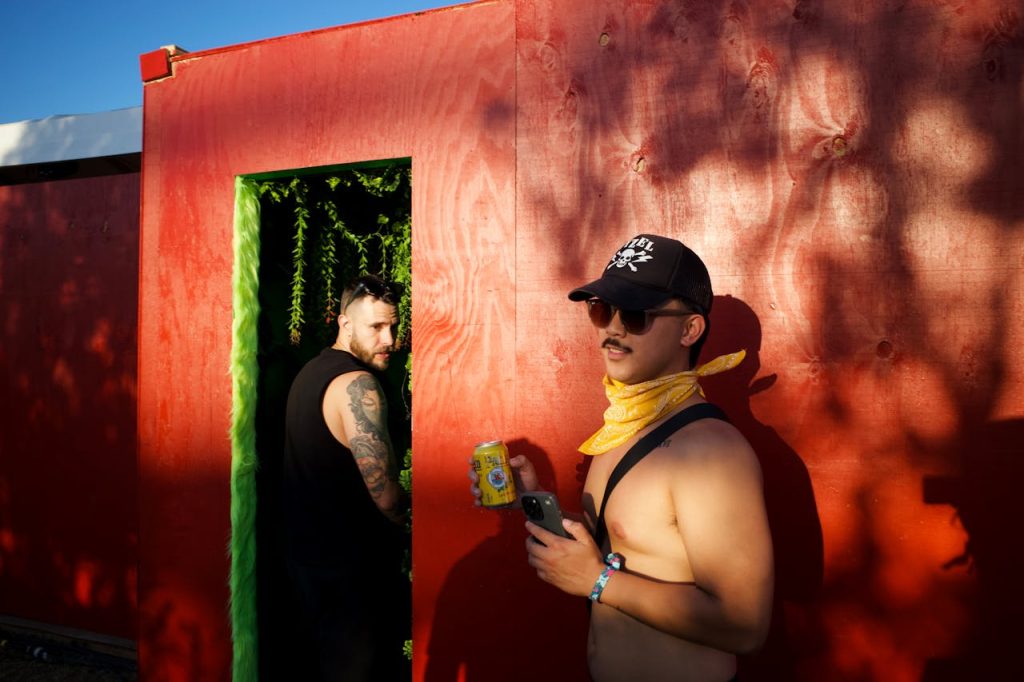
Part of this shift is due to medical and cultural advances. With greater access to PrEP and the affirmation of “U=U” (Undetectable = Untransmittable), many gay men feel safer and more empowered to explore their sexual desires outside traditional monogamous boundaries.
Opening Up Without Breaking Down
Yearning for more sex doesn’t have to mean ending your relationship. In fact, some couples find that open relationships deepen their connection, rebuild trust, and create space for both partners to grow. These outcomes are also better than becoming trapped in a codependent gay relationship.
I’ve supported many clients through the process of renegotiating their agreements or initiating open relationships. Sometimes that involves inviting others into the bedroom together. Sometimes it means separate encounters, especially when one partner is travelling. When a partner is diagnosed with HIV for example, opening the relationship can be a way of continuing to feel sexually liberated. Every couple is different, and so are their boundaries. For some, the rules might include never bringing someone home, not seeing the same person more than once, or stopping if romantic feelings start to form.
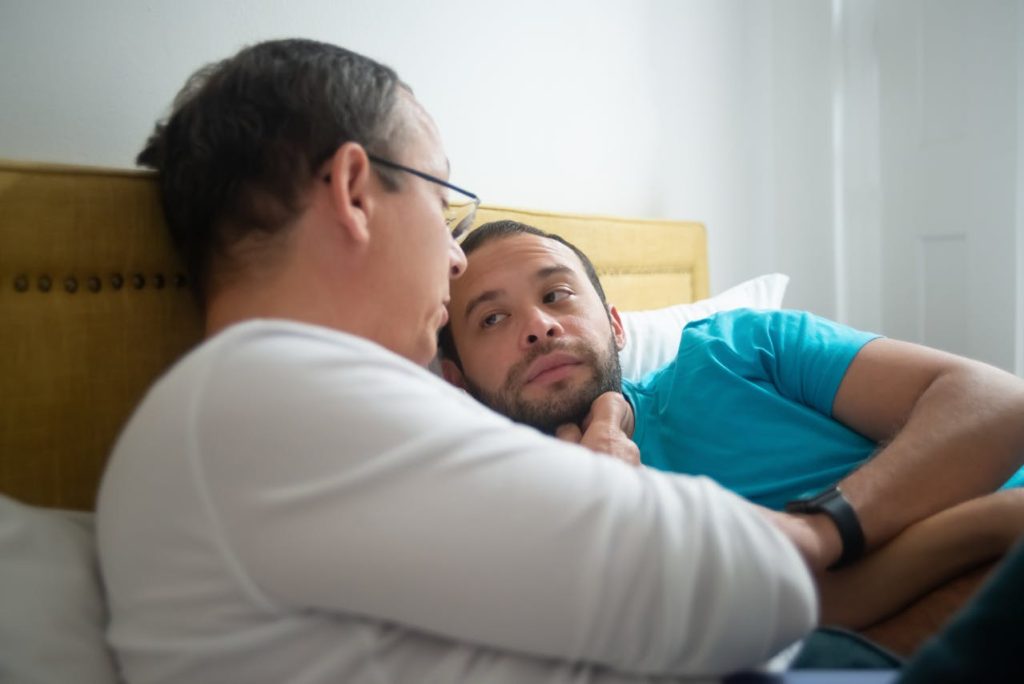
These arrangements take emotional maturity, communication, and above all, a deep prioritisation of the primary relationship. And while these conversations can feel risky, the bigger risk is stagnation. Relationships that stop evolving tend to wither and go into decline. This isn’t because the partners lack love, but because they stop making space for desire and growth.
From Sexless Relationship to Open Relationships
Many men avoid raising the topic of sex because they’re afraid it will rock the boat, or sink it entirely. They fear feeling lonely as a gay man after the breakup. But opening up this conversation doesn’t have to mean closing the relationship. It can be all about recommitment. I often encourage clients to start by naming what they value: the shared history, the home they’ve built, the life they’ve created together.
If you want to change a sexless relationship, start by talking about what you value. If you want to construct something new, begin by acknowledging the foundations. That’s what makes renegotiation feel like a continuation of love, instead of a threat to it.
Some men also carry shame about wanting more sex, and it holds them back from speaking honestly. In my work, I use a self-compassion approach to help gay men unpack that shame and prioritise their well-being—including their erotic needs. Attending therapy on your own can be a useful start to addressing issues with your partner and on to negotiating an open relationship.
Book an individual appointment now
Open Relationships: You Don’t Have to Do It Alone
I want to say this clearly: if you’re sexually unsatisfied in your relationship, you don’t have to choose between suffering in silence or breaking up. You can talk about it. You can negotiate something new. You can find fulfilment again.
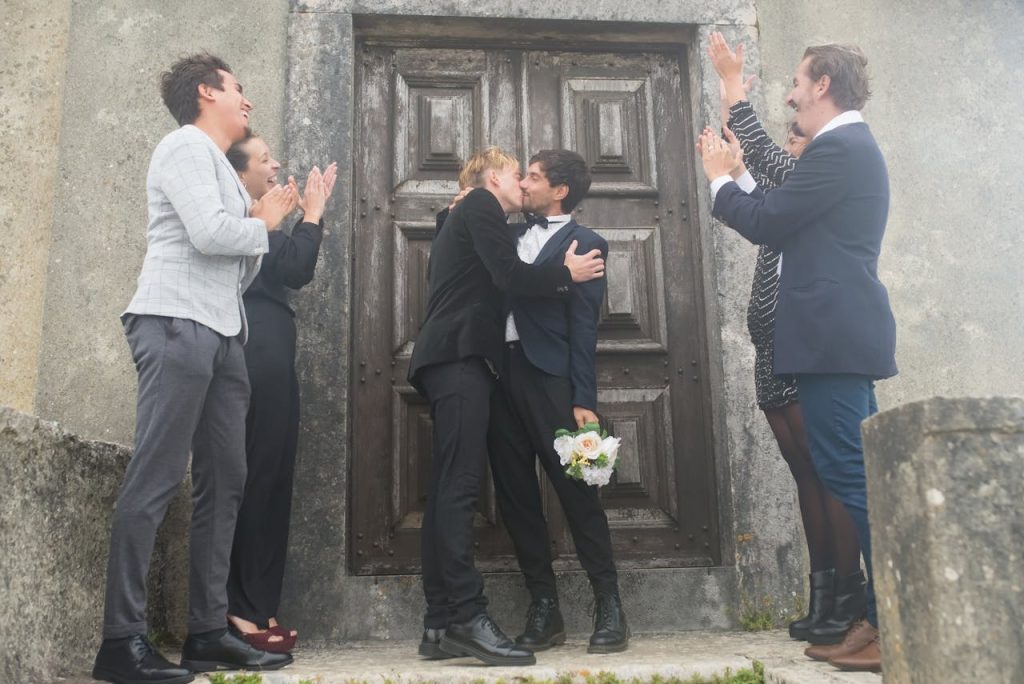
Working with a gay therapist can help you develop the confidence to start this conversation. You can rehearse what you want to say, consider what you’re afraid of, and clarify what matters most. Whether you’re looking to open your relationship or simply understand your desires better, therapy is a safe and affirming space to do that work.
Walt Odets, in his writing on gay men and intimacy, reminds us that our relationships are shaped not just by our psychology, but by a culture that has often denied us models of queer eroticism that honour both freedom and commitment, perpetuating feelings of deficiency. He argues that open relationships can be part of a healthy, deeply ethical life when grounded in care, clarity, and mutual respect.
I believe that too.
Queer and gay men have always been at the frontier of cultural progress. And, even when we are in relationships, we can continue to keep shaping our lives. We don’t need to adopt outdated scripts or comply with heteronorms. Our sexuality evolves and, through communication, we can negotiate what brings us joy, connection, and personal growth.
If you’re interested in talking more about open relationships, polyamory, ethical non-monogamy or other aspects of gay or queer life, get in touch today. My counselling and therapy services are completely confidential and geared towards supporting you to find new ways forward.